

Manashjyoti Ray
General Member, Aaranyak & Student of Abhayapuri College
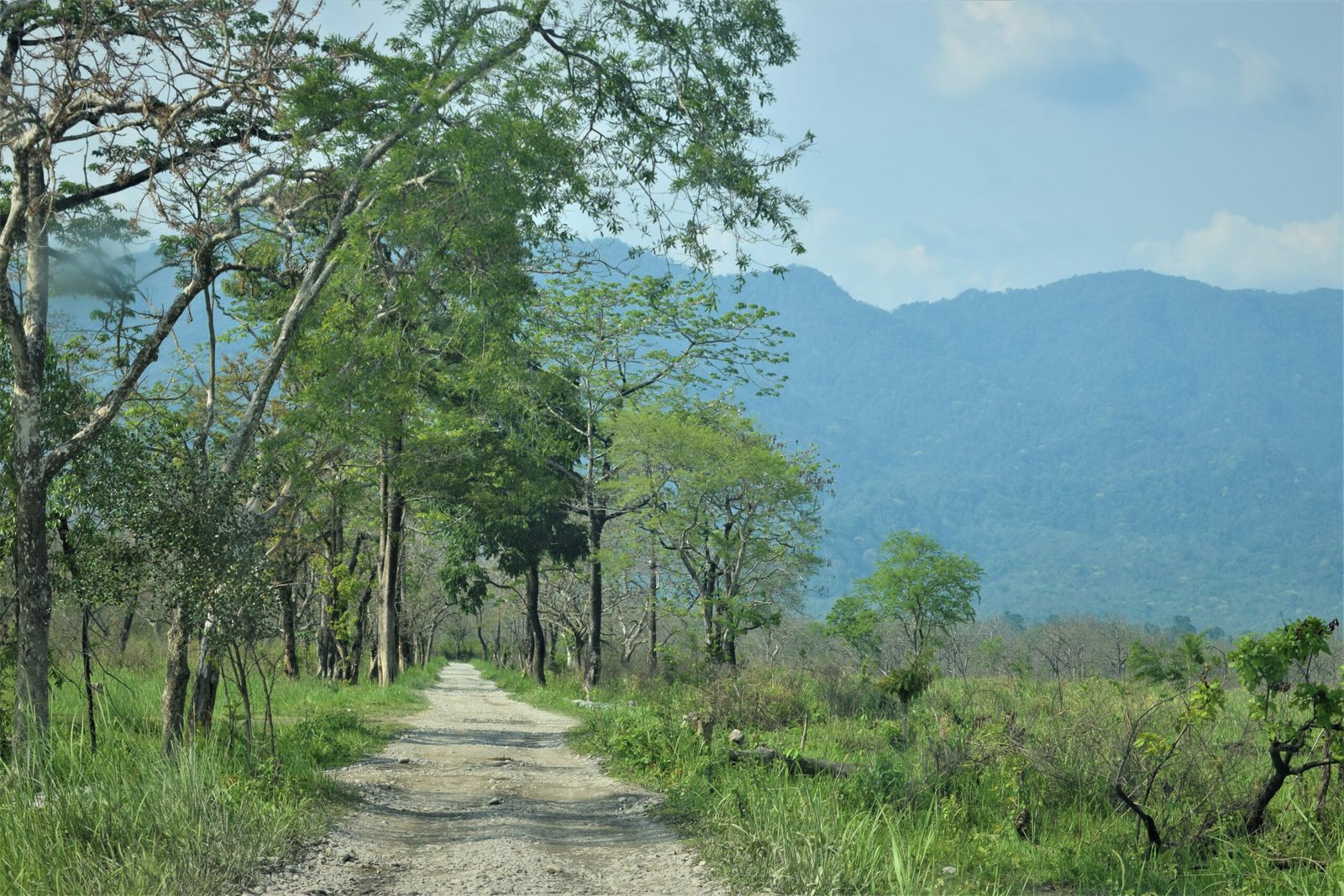
During my summer internship in 2025 at the Kuklung Range of Manas National Park and Tiger Reserve, I took part in a study titled “Fringe Villagers’ Participation in Conservation and Perception about Manas Tiger Reserve.” What began as an academic requirement soon became a profound lesson in the relationship between people, wildlife, and conservation. Before fieldwork, we attended a briefing at the Directorate Office, where forest officials and biologists shared insights about the reserve’s biodiversity. I was particularly fascinated by stories of elephants – how they remember traditional routes and sometimes outsmart electric fences. Eager to witness wildlife up close, our group set out for the fringe villages near Kuklung Range.
We faced an early challenge: communication. Most villagers were from the indigenous Bodo community and preferred speaking Bodo. A forest guard accompanied us and acted as an interpreter. Initially, approaching households felt awkward, but over time we grew more confident. Though I secretly hoped to see elephants or monkeys, we never encountered any – a fence had been installed months before our arrival. Instead, we saw snakes, butterflies, and many birds, though most vanished before we could photograph them.
As a Botany student, I was delighted to find several orchid species growing naturally. It wasn’t their flowering season, but seeing them thrive in the wild was exciting. The villagers’ lives left the deepest impression. At first glance, life seemed peaceful – green surroundings, fresh air, and simplicity. But behind this calm lay real struggles. Most families lived in mud or semi-pucca houses. Electricity was often unreliable, and drinking water was a serious concern. Some villagers walked long distances to collect water. Healthcare was another major issue – many had to travel far for treatment, and some could not afford it at all.
Two children I met stood out. One was a Class IX student with hearing and speech impairments, yet doing well in school, much to his mother’s pride. Another young boy could not speak but attended school regularly and helped his mother with chores. Their resilience reminded me that ability is not measured by physical condition.
Agriculture, mainly areca nut (betel nut) cultivation, was the primary livelihood. However, farmers often sold their produce below market rates. Wild elephants and monkeys frequently destroyed crops. Drought had also hit hard – some farmers could not even transplant paddy seedlings. Yet, despite these hardships, villagers showed deep agricultural knowledge. They practiced crop rotation, maintained kitchen gardens, and reared livestock like cows, goats, chickens, and especially pigs – an integral part of traditional Bodo households. The villagers’ hospitality touched us deeply. Instead of tea, they often offered betel nut and leaves. Our forest guard gracefully accepted, saving us from awkward refusals. Through such moments, we learned local customs rarely found in textbooks.
Ultimately, this internship taught me that conservation is not just about protecting wildlife. It is equally about understanding and supporting the communities living alongside it. The people of Manas are not separate from conservation – they are essential to it.
Beyond individual hardships, I was struck by the strong sense of community among the villagers. Neighbors helped each other during emergencies, whether it was repairing a damaged fence after an elephant visit or sharing water during dry spells. Women played a central role in maintaining kitchen gardens and managing small livestock, often supplementing household income by selling eggs, vegetables, or homemade items in local markets. Young boys and girls, after school hours, could be seen helping their parents with farming or fetching water. This collective effort and shared responsibility created a quiet but powerful social fabric. It made me realize that while external challenges like wildlife conflict and drought were real, the internal strength of the community was equally remarkable. Another important realization was the villagers’ pragmatic attitude toward conservation. They did not oppose the electric fence or the protected area—in fact, many acknowledged that it reduced elephant raids to some extent. However, they also felt that conservation policies often overlooked their needs. For instance, crop compensation schemes were slow or inadequate, and there was little support for alternative livelihoods. Some villagers suggested that if they received timely assistance for fencing their fields or access to better irrigation, conflicts could decrease significantly. Listening to them, I understood that sustainable conservation cannot succeed without addressing local grievances. People will protect wildlife only if they themselves feel protected and valued.
Looking back, my time in Kuklung Range was far more than an academic exercise. The forests showed me orchids, birds, and stories of clever elephants. The villagers taught me resilience, tradition, and the real meaning of coexistence. Conservation, I realized, is the balance between nature and development, ensuring both wildlife and local communities can thrive together.
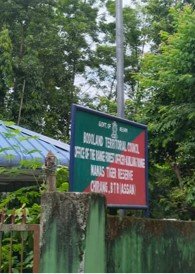
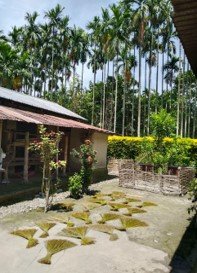
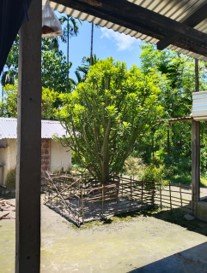
Scenes from the field of survey, Kuklung Range, Manas National Park.