

Rimpee Moran, Project Officer (Conservation Education), ERCD, Aaranyak
&
Tibrajyoti Gogoi, Project Assistant, ERCD, Aaranyak
______________
Princy Das, a Class 9 student of Charaguwa Grant High School in Charaguwa Grant village, Sivasagar, is a cheerful, active and enthusiastic young girl. Whenever we meet her during our awareness programmes, she eagerly talks about her classes, friends and experiences. Her enthusiasm reflects her growing interest in nature and wildlife conservation.
Princy believes that being connected with nature keeps the mind fresh and inspires people to contribute to a better world. Her role model is Jadav Payeng, whose dedication to nature conservation has inspired her to make a positive difference in her own community.
Her Concern for Wildlife
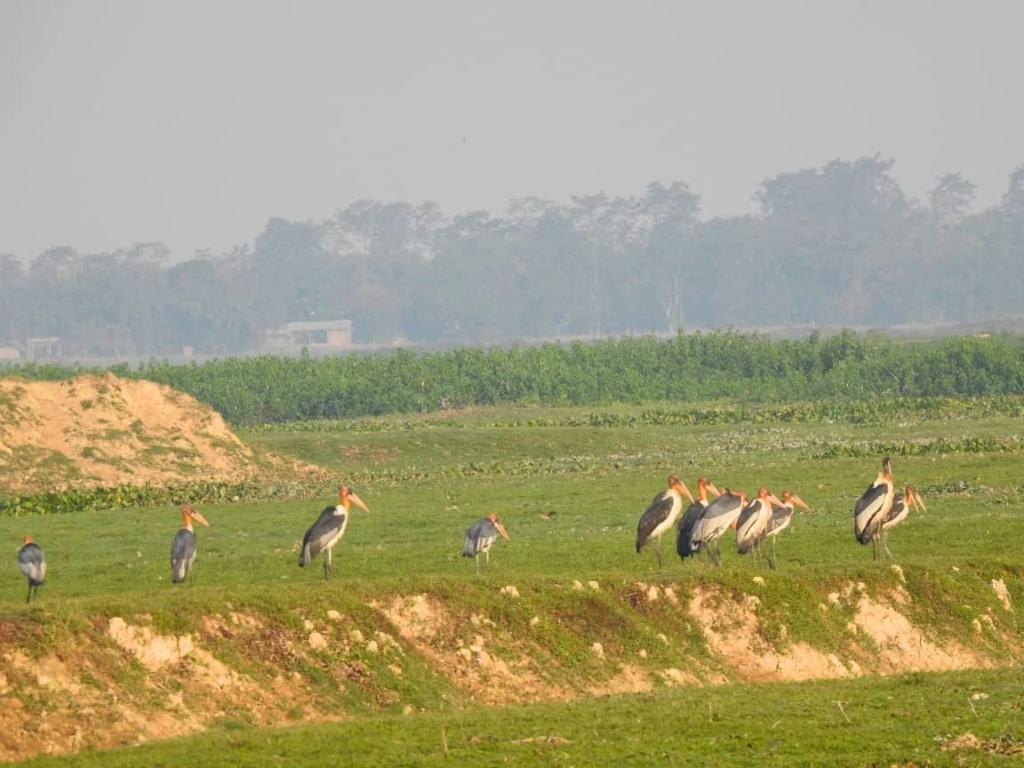
According to Princy, wildlife conservation begins with awareness. People need to understand the importance of wildlife and, at the same time, create awareness within their communities. Having witnessed illegal poaching and the trade of birds in the Panidehing area, she is particularly concerned about protecting birds and preventing such activities.
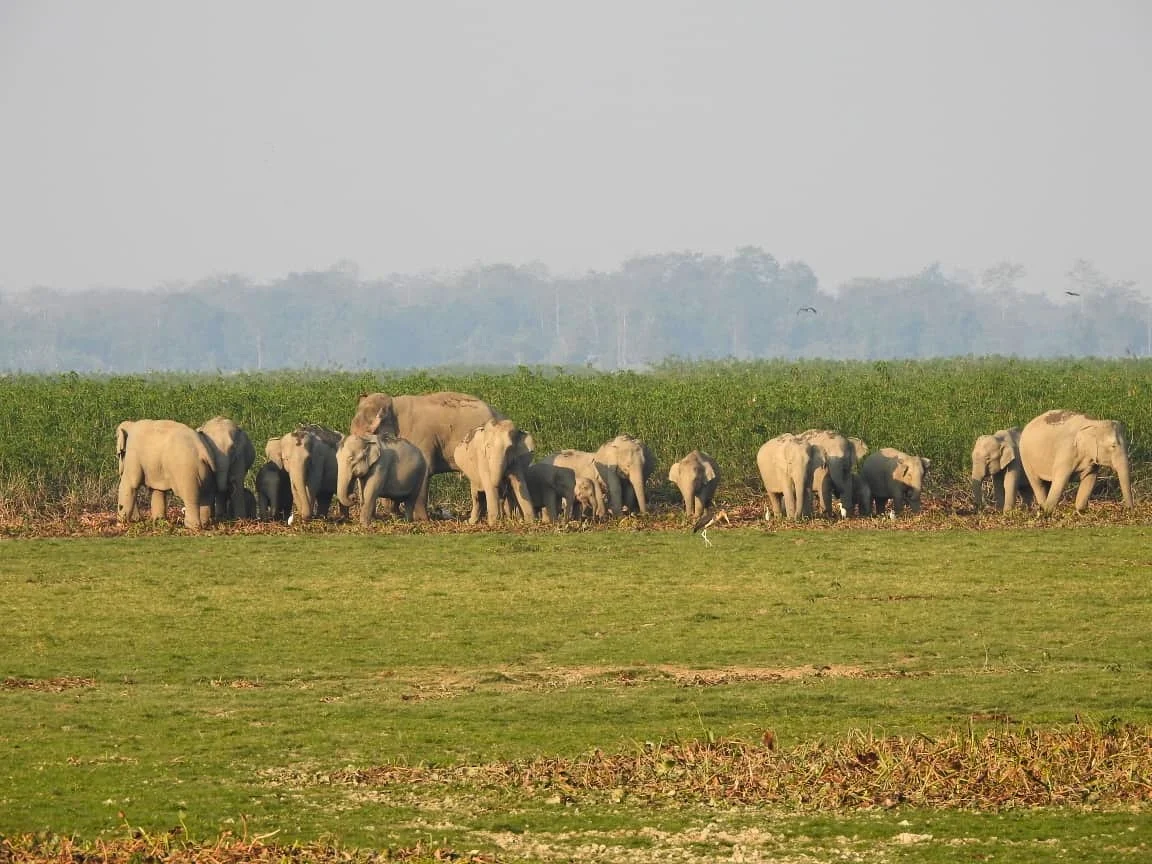
Throughout her growing Princy has remained courageous and deeply connected with the wildlife around her, particularly elephants. Panidehing is an important route and resting area for elephants. However, she has observed that while elephant numbers are declining, human–elephant conflict (HEC) is increasing, which worries her. She understands that the blockage of elephant corridors can further aggravate the situation. Elephant corridors are important movement routes that allow elephants to move between different habitats. When these routes are blocked, elephants may be forced to move through human-dominated areas, increasing the possibility of conflict.
Understanding Human–Elephant Conflict
Princy believes that HEC is also influenced by negative perceptions of elephants. Some people, particularly farmers who experience crop damage, may begin to view elephants as a threat or as troublesome animals. In response, people sometimes use measures such as electric fencing to keep elephants away from their crops. However, inappropriate or unsafe measures can also result in elephant deaths and further intensify conflict.
She feels that greater awareness about the causes of HEC and the importance of elephants can help communities respond to the problem more positively. One of her memorable experiences was witnessing a herd of around 200 elephants in Panidehing, which left her excited and deeply concerned about the future of these magnificent animals.
For Princy, elephants are an essential part of the natural world. She believes that humans cannot imagine a healthy environment without elephants, and neither can she. Elephants play an important ecological role by creating pathways through forests and dispersing seeds through their dung. Their disappearance could also affect other plant and animal species. Therefore, she believes that protecting elephants also means protecting the wider ecosystem.
Her Journey with Aaranyak
Since 2022, Aaranyak has been implementing conservation initiatives around Panidehing in three villages—Charaguwa Grant, Majumelia and Chamorajan—with a strong focus on elephant conservation. From 2022 to 2025, Princy participated in several of these initiatives, including Gajah Kotha, special-day celebrations such as World Environment Day, nature walks, bird-watching activities, biodiversity awareness programmes and conservation dramas.
One of her most memorable experiences was participating in a conservation drama guided by Tibra Jyoti Gogoi. “Being a part of the drama guided and taught by Tibra Sir is one of my best experiences. It gathered the interest of many children from my neighbourhood, so we conducted a conservation drama to promote human–elephant coexistence in Charaguwa Grant.” The drama was later conducted at Gelapather High School, another school in a neighbouring village, allowing the conservation message to reach an even wider group of students.
Learning through Gajah Kotha
Princy particularly appreciates the pictorial approach used in the Gajah Kotha posters, which makes information about elephants easier to understand. Gajah Kotha is an educational outreach campaign designed to bring knowledge about elephants to communities. It is divided into two phases. Gajah Kotha Phase I focuses on basic elephant ecology, cultural relevance and the conservation status of elephants, while Phase II focuses on human–elephant conflict and tested mitigation measures. For the students, Phase I was used extensively and proved to be highly engaging. Princy believes that learning about human–elephant coexistence can help people understand elephants better and recognise that “elephants are not our enemy.” She also believes that conservation awareness can be strengthened through different initiatives, including social media, where young people can share information about elephants, their importance and safe mitigation practices. Such efforts can encourage wider public participation in conservation.
Discovering Birds through Bird Watching
Bird watching has also become an important part of Princy’s conservation journey. She recalls, “In bird watching, we observed new species of birds. Though they are already in our area, we still don’t know their names.” The bird-watching initiative has introduced students to the rich biodiversity of their surroundings and encouraged them to become more curious about local wildlife. Activities associated with Migratory Bird Day and National Bird Day in the Panidehing area include bird watching and discussions on the importance of birds and their conservation. These experiences have helped students develop greater knowledge and interest in protecting birds and their habitats.
Youth as the Future of Conservation
Princy believes that something needs to be done now to protect elephants and their habitats. She sees young people as an important part of this effort. According to her, youth can create awareness about elephant conservation through social media and organise small, locally relevant awareness programmes in schools and communities. Her own participation in conservation activities demonstrates how young people can become involved in protecting biodiversity. Her experiences with Aaranyak have strengthened her interest in conservation and encouraged her to think about how she can contribute further.
Princy’s story shows that every step matters. A young person’s curiosity, participation and willingness to speak for wildlife can inspire others around them. By involving youth in conservation education and community initiatives, we can nurture a generation that understands the value of elephants, respects wildlife and works towards a future where people and elephants can coexist peacefully.