General note:
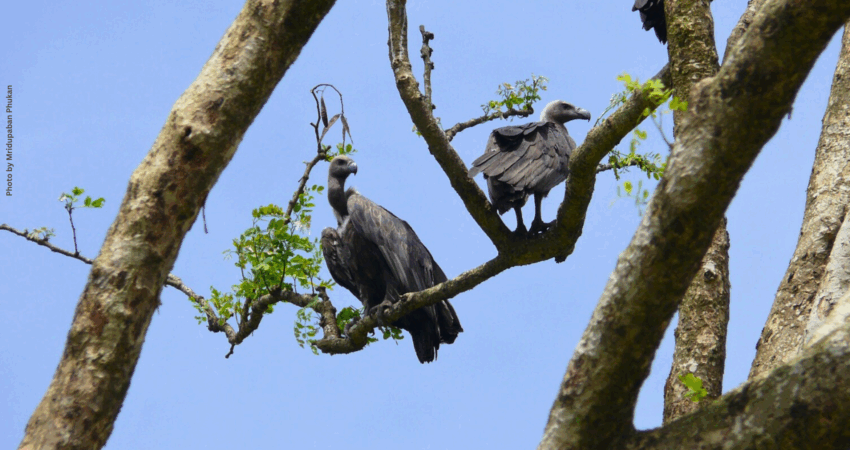
Vultures are an integral component of ecosystems, vital for controlling disease spill over between wildlife, livestock, and humans. An estimated 500 million cattle are in India, and only 4% consume by humans as meat. The decline in vultures has been linked to increases in the populations of scavenging mammals, notably feral dogs. The rise in feral dogs has been shown to not only significantly increase the risk of rabies transmission to humans in India, but also further exacerbate the risk of livestock predation. Estimates have put the economic cost of this loss as high as $34 billion to deal with the rabies crisis alone.
The increase of the feral dogs turn increases the risk of carcass-poisoning by herders to control the dogs, with the high probability of depressing vulture populations even further. The catastrophic decline in vulture numbers therefore represents a crisis for nature and people.

The principal cause of vulture population decline was attributed to poisoning by non-steroidal anti-inflammatory drugs (NSAIDs) that includes Diclofenac, Aceclofenac, Ketoprofen and Nimesulide. The Government of India has already banned the use of all of them in veterinary treatment.
Following the identification of the vulture crisis in India, the South Asian Vulture Recovery Plan was initiated in 2004, and captive breeding of critically endangered Gyps vultures has been conducted since 2006. Simultaneously work has focused on population and habitat protection which has provided critical support for the species.
However, direct engagement with communities has been limited. Our aim is to complement these ongoing conservation initiatives, through active community engagement and participation to better understand and address human-vulture conflict. Community participation in vulture conservation is essential since most vulture deaths arise from accidental poisonings by livestock herders targeting feral dogs that predate their animals. Vultures, which often feed in large numbers, are disproportionately affected by such poisonings. By working with communities to develop solutions that meet their needs and raising awareness of the vital role vultures play in the ecosystem, there is a genuine opportunity to address these challenges and enable the coexistence of people and vultures.
Our mission aims to prevent poisoning incidents and help the recovery of some of India’s most important populations of critically endangered vultures by implementing a community-led vulture conservation initiative in Assam.
Activities:
- Assessment of ecological status of vultures
- Aaranyak has developed a citizen science-based approach to document population status, nesting and roosting tress of vultures in NE India.
- Community-Owned safe vulture feeding ground for vultures
- Aaranyak working with communities to promote safe vulture feeding areas in Assam.
- Multi-stakeholder engagement to promote vulture conservation:
- Aaranyak has been working with the village institutions, grassroot level organisations, individuals as well as different Government agencies to reduce extinction threats of vultures.
- We established the Vulture Conservation Network (VCN) to engage multiple stakeholders in protecting vultures in Assam. Aaranyak initiated Sagun Mitra and nest guardianship initiative involving individuals and organizations, to safeguard the remaining vulture population and their nesting and roosting trees.
- Strengthening coexistence of vulture and human.
- Aaranyak is promoting coexistence of vulture and human applying different conservation education tools.
- Vaccination program
- Cattle vaccination drive has been organized in collaboration forest department local stakeholders to promote vulture safe practices and reduce the risk of diclofenac poisoning.

Pic 1: Dr. Bibhab Kumar Talukdar, Secretary General and Executive Director of Aaranyak, inaugurates two logos dedicated to vulture conservation – ‘Sagun Mitra’ and ‘Nest Guardianship’.

Pic 2: Aaranyak senior scientist Dr. M Firoz Ahmed discusses the conservation aspects of vultures with future stewards


Resource:

Technical Report: A Report on Death of Vultures at Disangmukh, Sibasagar, Assam
Final Report Conservation of Vultures through Community Participation in Eastern Assam, India
For More information, please communicate
Dr Dipankar Lahkar
Senior Conservation Biologist and Assistant Director
Aaranyak
Phone: +91 8638014685


Team Lead
Dr. Dipankar Lahkar
Assistant Director,
Conservation Biologist,
Aaranyak